The Dutch Whistleblower Protection Framework
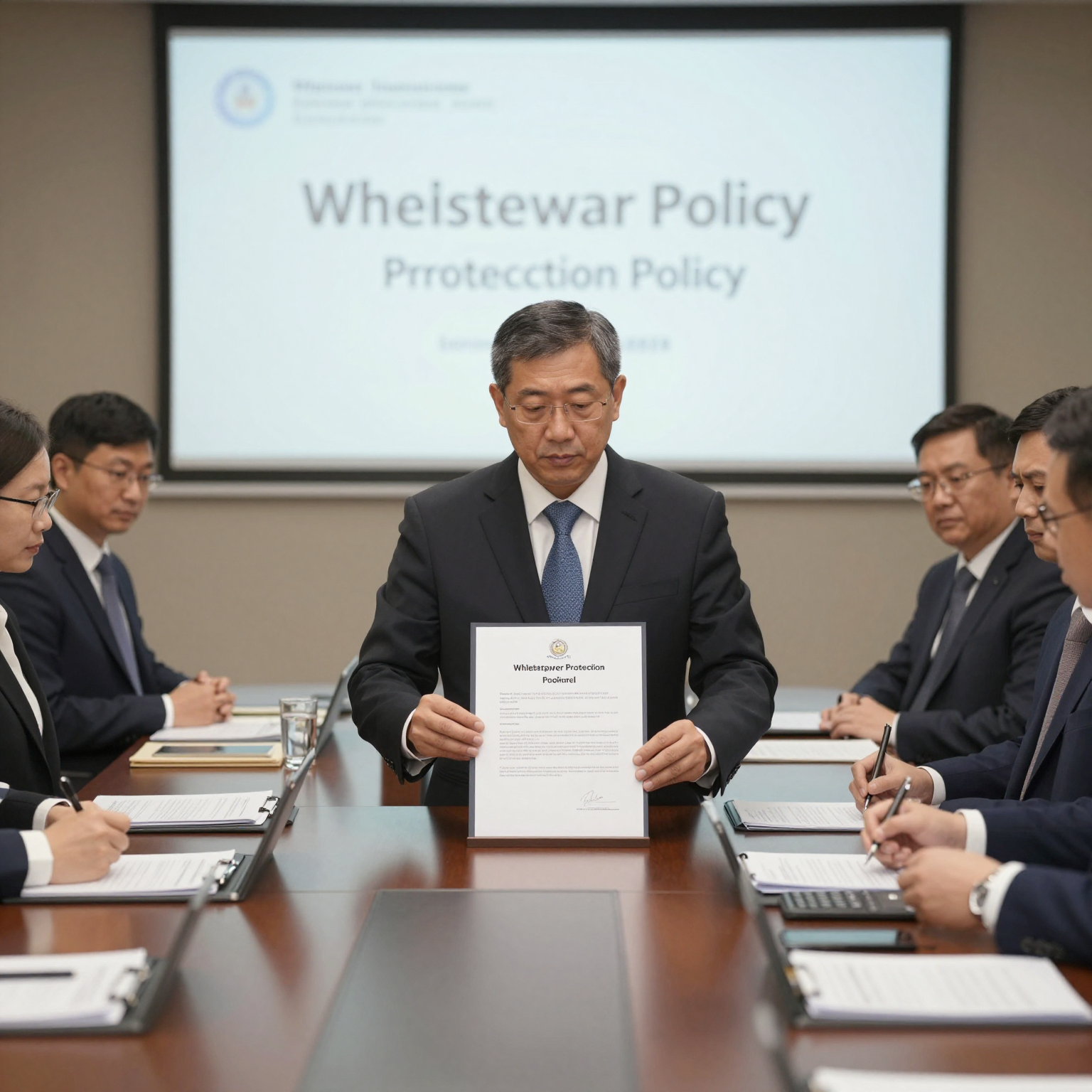
The Netherlands transposed the EU Whistleblower Directive into Dutch law through the Wet bescherming klokkenluiders (Whistleblower Protection Act), which took effect in February 2023. This law significantly expanded protections for employees who report wrongdoing and imposed new obligations on employers.
For companies with 50 or more employees, compliance is mandatory and involves establishing internal reporting channels, protecting reporters from retaliation, and maintaining confidential investigation procedures. Companies with 250+ employees face stricter requirements for anonymous reporting channels.
Employer Obligations
Under the Wet bescherming klokkenluiders, employers must:
- Establish internal reporting channels: Create a secure, accessible procedure for employees to report suspected wrongdoing. The channel must allow written and oral reports, and where reasonably possible, in-person meetings
- Designate investigators: Appoint impartial persons to receive and investigate reports. They must have no conflict of interest with the reported matter
- Acknowledge receipt: Confirm receipt of a report within 7 days
- Provide feedback: Inform the reporter about the investigation's progress and outcome within 3 months (extendable to 6 months for complex cases)
- Maintain confidentiality: The reporter's identity must be kept confidential unless they consent to disclosure. Sharing the identity without consent is a violation of the law
- Works council involvement: The reporting procedure requires works council consent under Article 27 WOR. The OR has a genuine say in how the procedure is designed
What Constitutes Protected Reporting
The law protects reports of suspected wrongdoing that is in the public interest. This includes:
- Criminal offenses or violations of law
- Threats to public health, safety, or the environment
- Mismanagement or improper use of public funds
- Violations of EU law
- Actions that deliberately suppress, conceal, or destroy information about the above
Important: personal workplace grievances (salary disputes, poor management, interpersonal conflicts) are generally NOT protected under whistleblower legislation unless they also involve broader wrongdoing.
Anti-Retaliation and Enforcement
The strongest protection in the law is the prohibition of retaliation (benadeling):
- Broad definition: Retaliation includes dismissal, demotion, harassment, disciplinary action, negative performance reviews, transfer, refusal of training, or any other disadvantageous treatment related to the report
- Reversed burden of proof: If a reporter alleges retaliation, the employer must prove that any adverse action was NOT related to the whistleblowing report. This is a significant legal advantage for reporters
- Third-party protection: Colleagues who support the whistleblower, facilitators, and legal advisors are also protected from retaliation
- Penalties: Employers who retaliate face civil liability for damages and potential criminal prosecution