

Workplace Conflict in Dutch Employment Law
The Netherlands has a distinctive approach to workplace conflict: employers are legally required to make genuine efforts to resolve disputes before considering termination. This obligation stems from the "goed werkgeverschap" principle and the "verstoorde arbeidsverhouding" (disrupted employment relationship) dismissal ground.
A Dutch court will not grant a dismissal based on a disrupted relationship unless the employer can demonstrate that all reasonable measures to repair the relationship have been exhausted. Simply documenting that "the relationship is irreparably damaged" without evidence of resolution attempts guarantees a failed dismissal request.
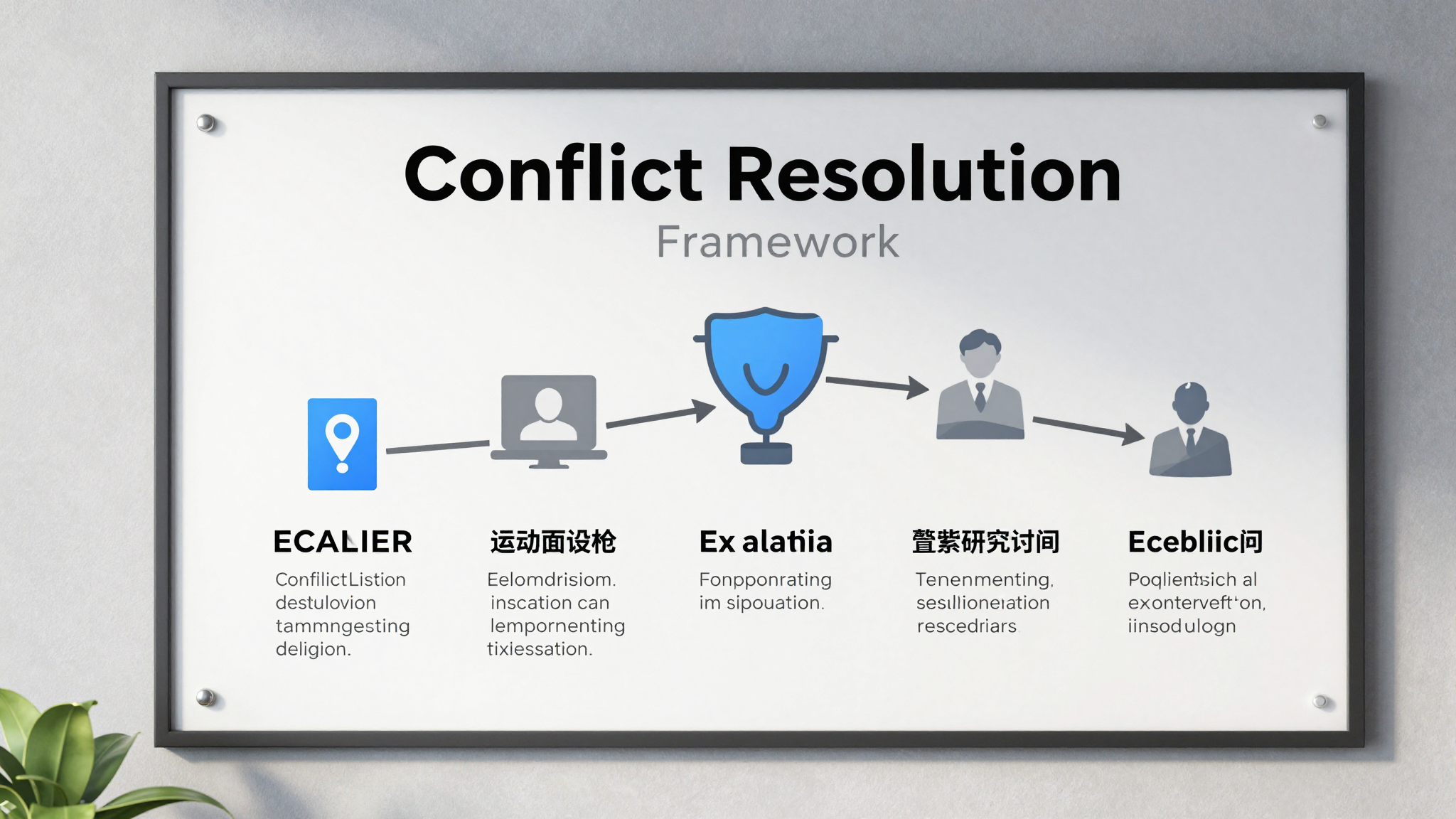
Structured Conflict Resolution Approach
Follow this framework to address workplace conflicts properly:
- Early intervention: Address tensions as soon as they emerge. Informal conversations, documented by email, showing you acknowledged and addressed the situation early
- Document everything: Keep written records of incidents, conversations, and actions taken. Courts rely heavily on documentation when assessing whether the employer acted reasonably
- Hear both sides: Under Dutch labor law principles of fairness, every party in a conflict must have the opportunity to share their perspective. One-sided conclusions are viewed negatively by courts
- Vertrouwenspersoon: Ensure employees know they can consult the confidential advisor (now mandatory). This provides a safe channel for concerns before they escalate
Mediation: The Expected Standard
Dutch courts view mediation as an essential step before any termination based on a disrupted working relationship:
- Certified mediation: Use an MfN-registered mediator (Mediators federatie Nederland). Courts give significantly more weight to professional mediation than informal talks
- Genuine participation: Both parties must participate in good faith. An employer who goes through mediation "for show" — having already decided to dismiss — will be exposed and penalized
- Confidentiality: Mediation discussions are confidential and cannot be used in court proceedings. This is crucial for creating a safe space for honest dialogue
- Outcome documentation: If mediation fails, document that it was attempted, who participated, and that no resolution was reached (without disclosing content)
When Conflict Becomes Grounds for Dismissal
If genuine resolution efforts have failed, you may pursue dismissal on the "verstoorde arbeidsverhouding" ground (Article 7:669 lid 3 sub g BW). Courts evaluate:
- Whether the disruption is serious and permanent (not temporary or emotional)
- Whether the employer made sufficient efforts to repair the relationship (mediation, coaching, role adjustments)
- Whether redeployment to another position was explored
- Whether the employer itself contributed to or caused the conflict
If the court finds the employer significantly contributed to the conflict, it may award an enhanced "billijke vergoeding" (fair compensation) on top of the statutory transition payment.