
Understanding Wage Claims in Dutch Employment Law
A wage claim (loonvordering) arises when an employee alleges they were not paid correctly — whether it's underpayment of base salary, missed overtime compensation, unpaid holiday allowance, incorrect pension contributions, or disputed bonus entitlements. In the Netherlands, wage claims carry significant financial risk for employers due to the "wettelijke verhoging" (statutory increase) penalty.
Under Article 7:625 BW, if wages are not paid on time, the employee is entitled to a statutory increase of up to 50% of the overdue amount as a penalty, plus statutory interest. Courts routinely award this increase, making even modest underpayments expensive.
Common Sources of Wage Claims
The most frequent wage disputes we encounter stem from:
- Overtime miscalculation: Failing to properly compensate overtime hours, especially when the CLA applies specific overtime rates
- Vakantiegeld errors: Incorrect calculation of the 8% holiday allowance base, or forgetting to include certain salary components
- CLA compliance: Not applying mandatory CLA wage scales, automatic annual increments, or sector-specific allowances
- Salary during sick leave: Underpaying the 70% minimum during the first two years of illness, or not applying the CLA top-up to 100%
- Bonus and commission disputes: Ambiguous bonus criteria leading to disagreements about whether targets were met
- Transition payment calculation: Incorrect calculation of the transitievergoeding at termination, using wrong salary components or service dates
Defending Against Wage Claims
When you receive a wage claim, your response strategy matters enormously:
- Don't ignore it: Failure to respond strengthens the employee's position and increases the statutory penalty. Acknowledge the claim promptly and investigate
- Audit your payroll: Conduct a thorough review of the specific calculations challenged. Compare against the employment contract, applicable CLA, and statutory requirements
- Check prescription periods: Wage claims prescribe after 5 years (Art. 3:307 BW). Claims for periods beyond 5 years ago are time-barred
- Document your calculations: If your payroll is correct, prepare a detailed explanation with supporting documentation. Clear communication can resolve many claims without litigation
- Consider settlement: If the claim has merit, early settlement with a negotiated wettelijke verhoging (courts often moderate the 50% to 10-25%) is usually cheaper than full litigation
Prevention: Payroll Compliance Best Practices
The best defense against wage claims is preventing them:
- Regular CLA audits: Check annually whether a mandatory CLA applies to your business and whether you're complying with its wage scales
- Clear employment contracts: Specify all salary components, bonus criteria, and calculation methods unambiguously
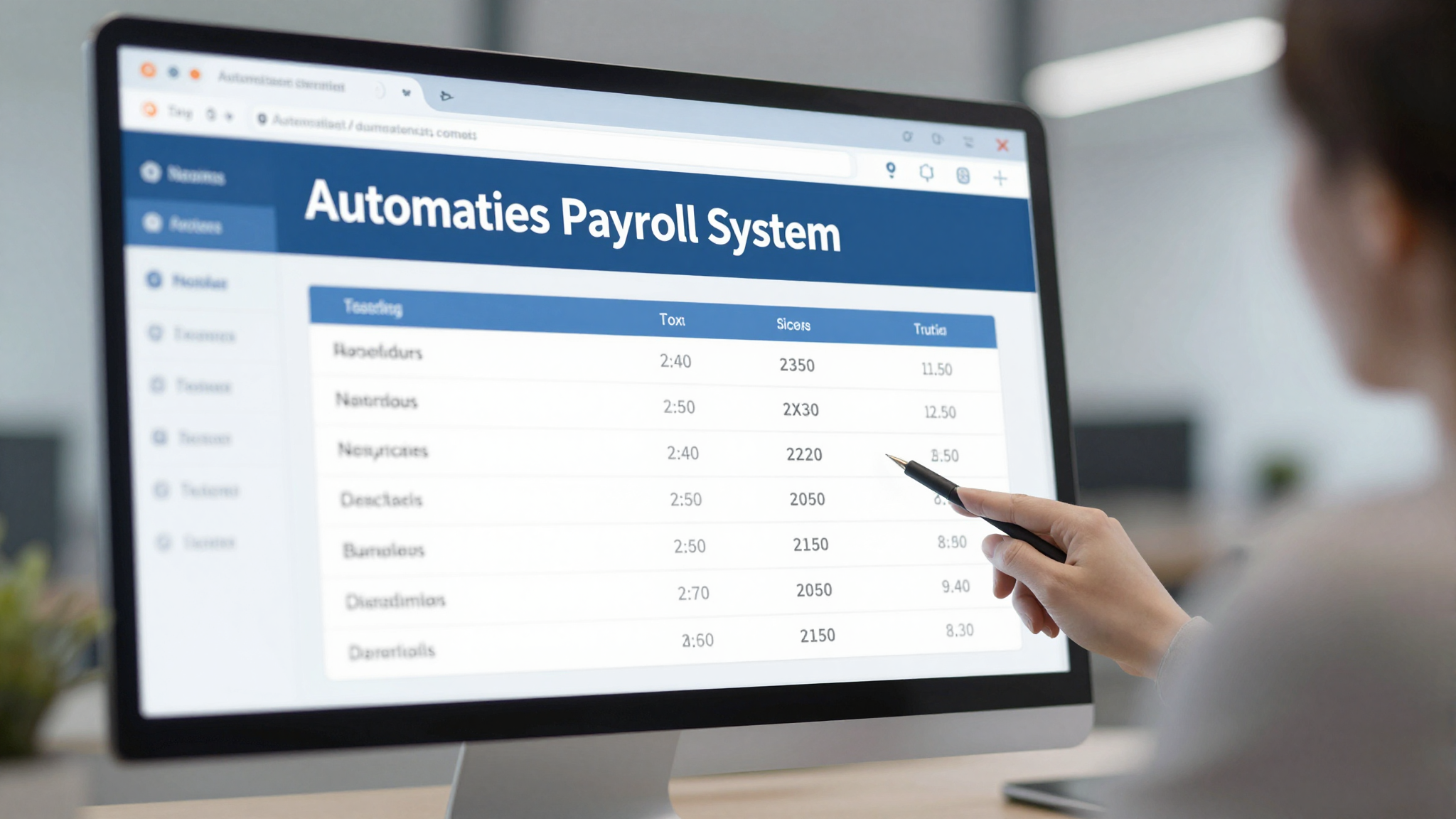
- Payroll system verification: After any system change or update, verify calculations manually for a sample of employees
- Annual employee confirmation: Have employees confirm their annual income statement (jaaropgave) to catch discrepancies early