

Why US Companies Choose the Netherlands
The Netherlands has long been one of the most popular European destinations for US companies looking to expand internationally. With its strategic location, highly educated English-speaking workforce, favorable tax treaties between the US and the Netherlands, and world-class infrastructure, it provides an ideal gateway to the European market.
The US-Netherlands bilateral investment treaty, combined with the Dutch participation exemption and the extensive tax treaty network, makes the Netherlands particularly attractive from a corporate structuring perspective. Additionally, the Dutch business culture — direct, pragmatic, and internationally oriented — aligns well with American business practices.
Step-by-Step: Registering Your Dutch Entity
Setting up a Dutch B.V. (Besloten Vennootschap) involves several coordinated steps that typically take 2–6 weeks when handled professionally:
- Notarial Deed: A Dutch notary drafts and executes the articles of incorporation. This can now be done digitally for certain entity types.
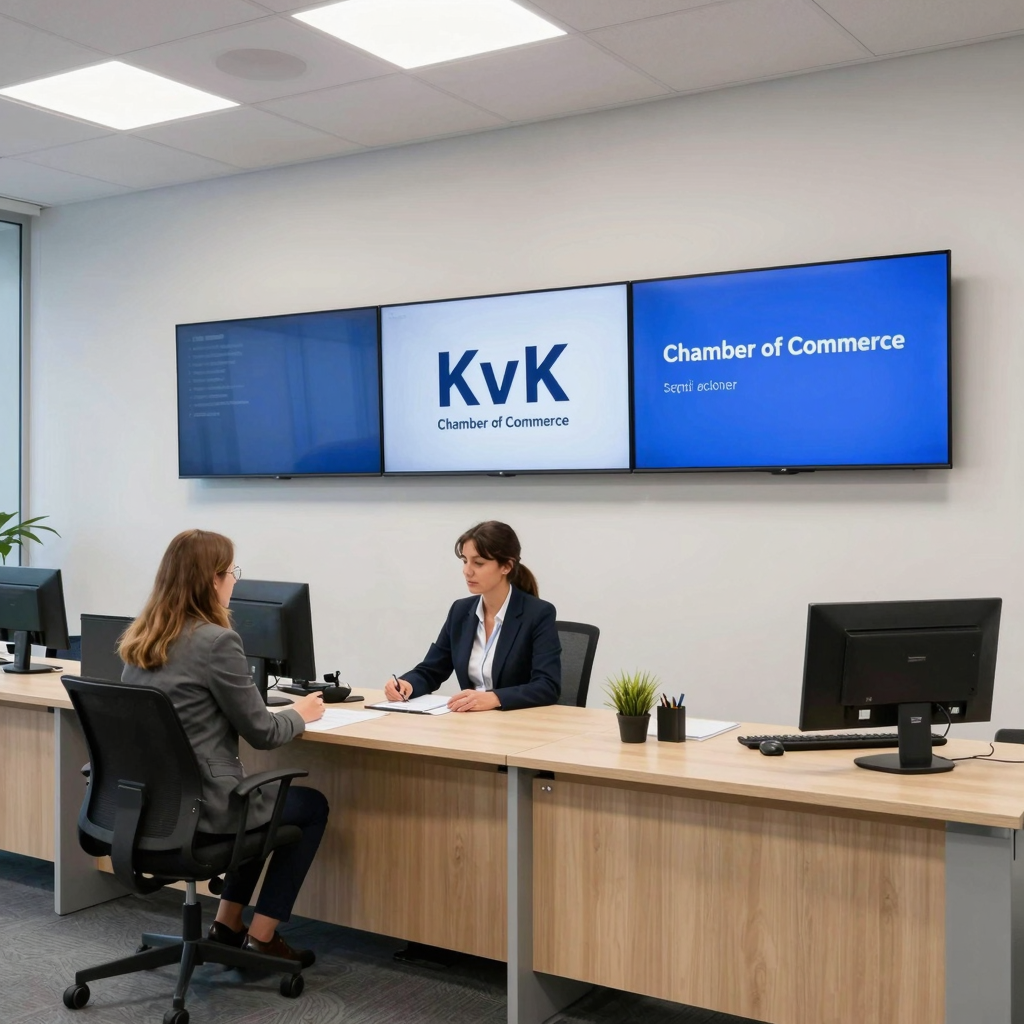
- KvK Registration: The entity is registered with the Dutch Chamber of Commerce (Kamer van Koophandel), which issues a unique KvK number and RSIN.
- Tax Registration: The Belastingdienst (Dutch Tax Authority) assigns a VAT number and corporate income tax number. This process can take 2–4 weeks.
- Bank Account: Opening a Dutch business bank account — often the most time-consuming step due to enhanced KYC/AML procedures for foreign-owned entities.
- Payroll Registration: If hiring employees, you must register as an employer with the tax authority and select a payroll provider.
Tax Considerations for US-Dutch Structures
US companies must navigate both the Dutch corporate tax system and US tax obligations (including GILTI, BEAT, and Subpart F income provisions). Key considerations include:
- Transfer Pricing: The Netherlands follows OECD guidelines strictly. Intercompany transactions must be at arm's length, and documentation requirements are substantial.
- Substance Requirements: Dutch entities must demonstrate genuine economic substance — office space, local employees, and decision-making authority — to benefit from treaty protections.
- 30% Ruling: Highly skilled migrants recruited from abroad may qualify for a 30% tax-free allowance on their salary, significantly reducing employer costs.
- Innovation Box: Qualifying R&D activities can benefit from an effective tax rate of 9% on innovation-derived profits.
Hiring Your First Dutch Employee
Dutch employment law is highly protective of employees. Key requirements for your first hire include:
- Written Contract: Must include salary, working hours, holiday entitlement (minimum 20 days for full-time), notice period, and applicable CLA if relevant.
- Probation Period: Maximum 1 month for contracts under 2 years; 2 months for indefinite contracts.
- Pension: While not always mandatory, industry-wide pension funds (bedrijfstakpensioenfonds) may apply to your sector.
- Sick Pay: Employers must continue paying at least 70% of salary during illness for up to 2 years.
Common Mistakes US Companies Make
Based on our experience helping dozens of US companies enter the Dutch market, these are the most frequent errors:
- Using US-style at-will employment contracts: Dutch law does not recognize at-will employment. Termination requires either mutual agreement, a UWV permit, or court approval.
- Ignoring the works council threshold: Once you have 50+ employees, you are legally required to establish a works council (ondernemingsraad).
- Underestimating sick leave obligations: The 2-year continued payment obligation during employee illness is often a shock for US employers.
- Late pension enrollment: Failing to check for mandatory industry pension fund membership can result in retroactive contributions and penalties.