
Netherlands B.V. vs Branch Office: Which Is Right for You?
menu_book HR Settlers Guide

Netherlands B.V. vs Branch Office: Which Is Right for You?

A detailed comparison to help you choose the optimal Dutch legal structure

schedule 10 min read · arrow_back Part of HR Settlers
Netherlands B.V. vs Branch Office: Which Is Right for You?
apartment
B.V. Separate legal entity
store
Branch Extension of parent
shield
Liability B.V. = limited
euro
B.V. Capital €0.01 minimum

Understanding Your Options

When entering the Dutch market, international companies typically choose between establishing a Dutch B.V. (Besloten Vennootschap — private limited company) or opening a branch office (bijkantoor). Both have distinct advantages and implications for liability, taxation, employment, and operational flexibility.

Dutch B.V.: Separate Legal Entity

A Dutch B.V. is a fully independent legal entity incorporated under Dutch law. Key characteristics:

  • Limited Liability: The parent company's liability is generally limited to its capital contribution. The B.V.'s debts do not automatically extend to the parent.
  • Separate Identity: The B.V. signs contracts, employs staff, and holds assets in its own name.
  • Tax Treatment: Subject to Dutch corporate income tax (CIT) on worldwide income. Benefits from Dutch tax treaties and the participation exemption.
  • Capital: Minimum share capital of €0.01 (since the Flex-BV legislation of 2012).
  • Perception: Generally perceived as a more serious, long-term commitment to the Dutch market by customers, partners, and employees.

Branch Office: Extension of the Parent

A branch office is not a separate legal entity — it is a registered extension of the foreign parent company:

  • Unlimited Liability: The parent company is fully liable for all obligations of the Dutch branch.
  • No Separate Entity: The branch operates under the parent's legal identity. Contracts are signed by (and enforceable against) the parent.
  • Tax Treatment: Profits attributable to the Dutch branch are subject to Dutch CIT, but the structure can create complexities with double taxation and treaty application.
  • Registration: Must be registered with the KvK and may need to file translated financial statements of the parent company.

Comparison Table

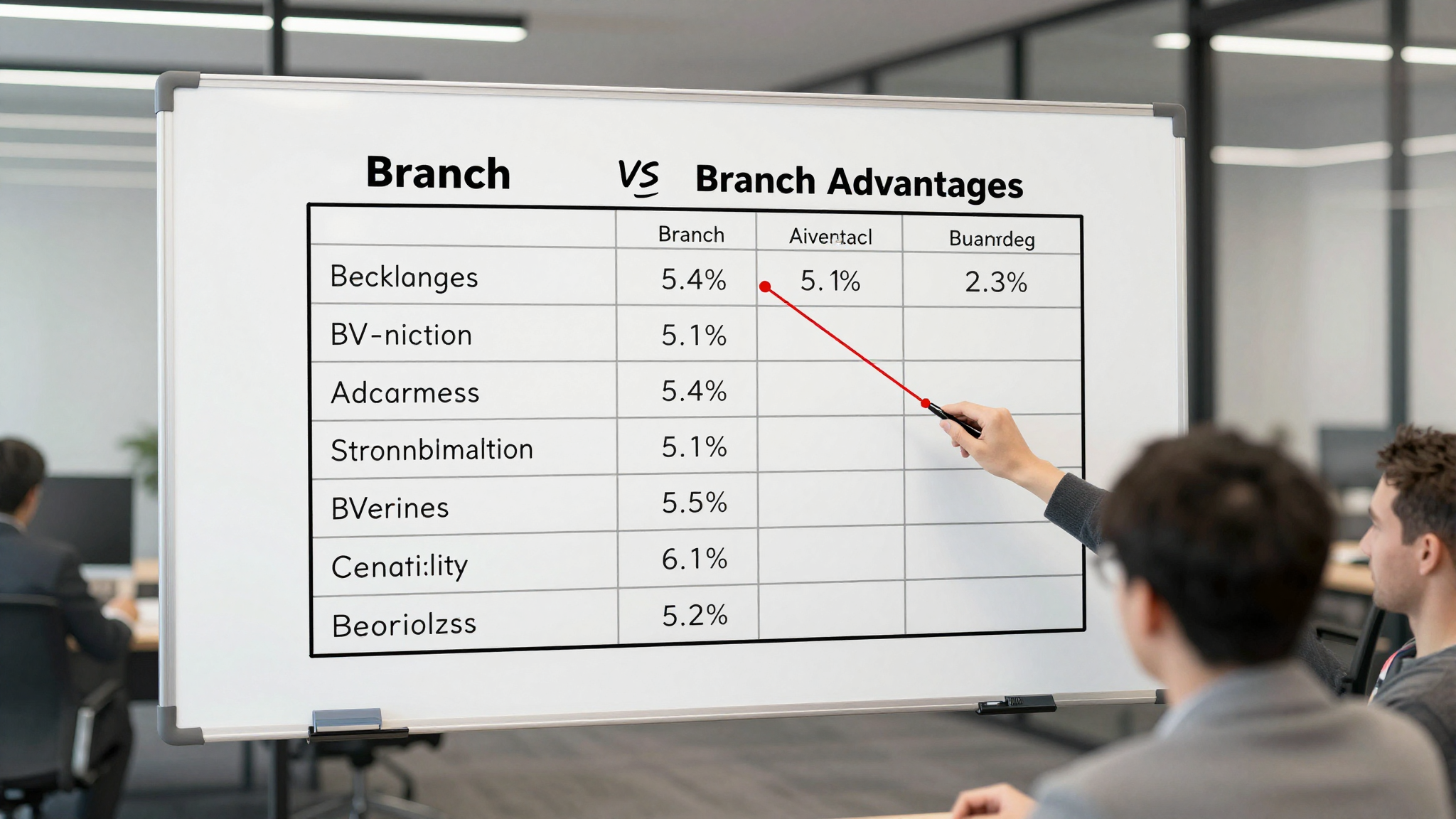
Here is a detailed side-by-side comparison across the key dimensions that matter most for your decision:

  • Liability: B.V. = limited to capital | Branch = parent fully liable
  • Setup Time: B.V. = 2–4 weeks | Branch = 1–2 weeks
  • Setup Cost: B.V. = higher (notary required) | Branch = lower
  • Employment: B.V. = employer is the B.V. | Branch = employer is the parent
  • Perception: B.V. = more credible locally | Branch = seen as temporary
  • Treaty Access: B.V. = full access | Branch = may be limited
  • Exit: B.V. = liquidation process | Branch = deregistration

Our Recommendation

For most international companies planning to hire employees, establish long-term market presence, or benefit from Dutch tax treaty network, the Dutch B.V. is the recommended choice. The nominal minimum capital requirement (€0.01) has eliminated the historical cost barrier, and the liability protection, treaty access, and local credibility far outweigh the slightly higher setup costs.

Branch offices make sense primarily for companies testing the market with a temporary sales representative, or for specific regulatory reasons in sectors like banking or insurance.
How It Works

Step-by-Step Process

01

Structure Assessment

We analyze your business model, liability exposure, and tax position to recommend B.V. vs branch.

02

Incorporation / Registration

B.V. setup via notary or branch registration with KvK — both handled end-to-end.

03

Operational Setup

Bank account, tax registrations, payroll, and the employment framework for your chosen structure.

04

Ongoing Advisory

Compliance monitoring and structural optimization as your Dutch operations grow.

Netherlands B.V. vs Branch Office: Which Is Right for You? — key insight
Why It Matters

Key Insights for Your Business

trending_up
93% of companies report smoother operations with proper HR setup
shield
€25K+ average savings from avoiding common compliance penalties
schedule
4–6 weeks to fully operational with expert guidance vs. 3+ months DIY

"Having the right HR infrastructure in place from day one saved us months of fixing problems later. It's the foundation everything else builds on."

— HR Director, International Company in NL
Netherlands B.V. vs Branch Office: Which Is Right for You? — results
Important Considerations

What to Watch Out For

high

Branch Liability Exposure

A branch offers zero liability protection — any Dutch claim can be enforced against the parent company's global assets.

medium

Treaty Access Issues

Some tax treaties may not fully apply to branch structures, potentially leading to higher withholding taxes.

medium

Conversion Complexity

Converting a branch to a B.V. later requires full incorporation plus transfer of employees and contracts — it's not a simple upgrade.

Common Questions

Frequently Asked Questions

Is a B.V. always the better choice?

Usually, yes. But for temporary market exploration with no employees, or for regulated sectors with specific branch requirements, a branch can be appropriate. We help you evaluate both options.

How much does it cost to set up a Dutch B.V.?

Total setup costs (notary, KvK, initial tax advice) typically range from €2,000–€4,000. With HRHelp's full settlement package, this is included in our service.

Can I convert a branch to a B.V. later?

Yes, but it's not a simple conversion. It requires incorporating a new B.V., transferring all contracts and employees, and deregistering the branch. It's better to choose the right structure from the start.

Who is the employer — the B.V. or the parent?

For a B.V., the Dutch entity is the employer. For a branch, the foreign parent company is technically the employer, which can create complexities with Dutch employment law application.

Need Help?

Ready to get started with HR Settlers?

Book a free 30-minute consultation. We'll assess your situation and propose a clear path forward — no commitment required.