

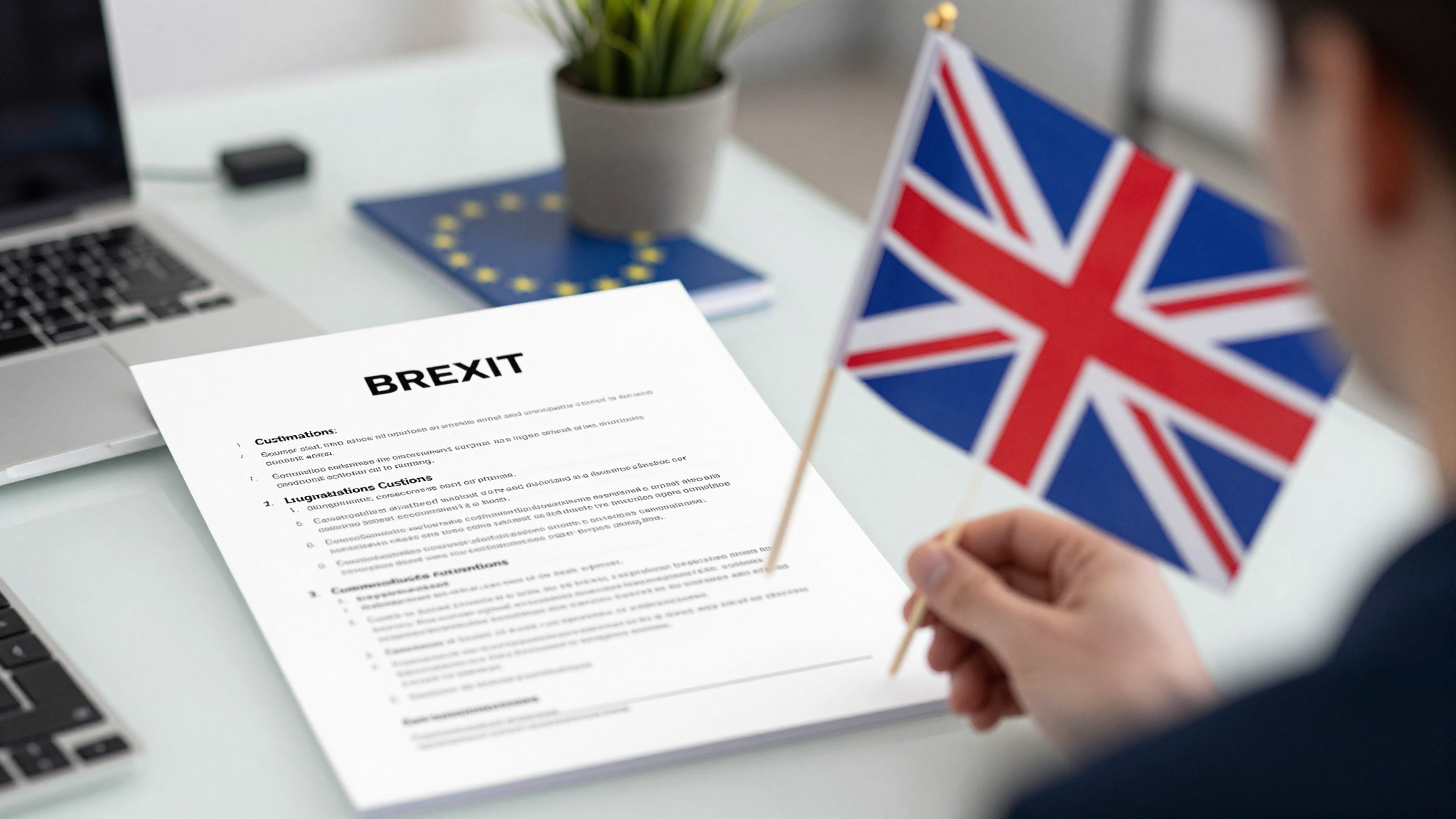
Post-Brexit Reality for UK Companies
Since Brexit, UK companies no longer benefit from EU freedom of establishment or free movement of workers. This fundamentally changes the process of entering the Dutch market. UK nationals now need work permits, EU trade benefits no longer apply automatically, and UK-registered entities cannot simply passport services into the Netherlands.
However, the Netherlands remains the most popular EU destination for post-Brexit relocations. The Amsterdam metropolitan area alone has attracted hundreds of UK companies since 2020, drawn by the English-speaking environment, excellent infrastructure, and strong UK-NL historical ties.
Key Changes Since Brexit
- Work Permits Required: UK nationals now need a work permit (TWV) or highly skilled migrant (HSM) visa to work in the Netherlands. The HSM route is fastest and most common for professional roles.
- No Automatic Recognition: UK professional qualifications may need to be formally recognized in the Netherlands, depending on the profession.
- VAT Implications: UK-NL trade is now treated as import/export rather than intra-EU supply, creating customs and VAT compliance obligations.
- Data Transfers: UK is currently deemed adequate under EU GDPR, but this adequacy decision must be monitored as it is subject to periodic review.
Setting Up Your Dutch B.V.
The incorporation process for UK companies is identical to other non-EU entities, with the notarial deed, KvK registration, and tax registrations following standard procedures. However, UK companies benefit from:
- The UK-Netherlands double tax treaty, which provides favorable withholding tax rates
- Strong bilateral investment protection
- Cultural alignment — Dutch and British business cultures share directness, pragmatism, and an international orientation
Relocating UK Staff to the Netherlands
Post-Brexit, relocating UK staff requires careful planning:
- HSM Visa: The most practical route for professional staff. Requires IND-recognized sponsor status for your Dutch entity.
- 30% Ruling: UK nationals recruited from abroad typically qualify for the 30% ruling, providing significant tax savings.
- Social Security: UK-NL social security coordination treaty ensures no double social security contributions during transitional periods.
- Pension Transfer: UK pension pots can generally remain in the UK, but Dutch pension obligations must begin for Dutch-contracted employees.
Common Pitfalls for UK Companies
- Assuming similarities: Despite cultural alignment, Dutch employment law is fundamentally different from UK law — particularly regarding termination protections, sick leave, and collective agreements.
- Ignoring IND timelines: HSM visa applications typically take 2–4 weeks but can take longer during peak periods. Plan relocations accordingly.
- Customs compliance: Post-Brexit trade in goods requires customs declarations, which many UK companies initially underestimate.