Restructuring Under Dutch Employment Law
Reorganization in the Netherlands is one of the most heavily regulated employment processes internationally. Unlike many countries where at-will employment allows rapid workforce reductions, Dutch law requires employers to follow strict substantive and procedural requirements. Getting these wrong means denied dismissal permits, costly court challenges, and reputational damage.
The legal basis for restructuring dismissals falls under the "bedrijfseconomische redenen" (business-economic reasons) ground, which includes financial necessity, organizational changes, technological automation, or business closure.
The UWV Route: Collective Dismissal Procedures
For economic dismissals, employers must obtain permission from UWV (the Dutch Employee Insurance Agency). The process involves:
- Business case documentation: You must demonstrate with financial evidence why the restructuring is necessary. UWV scrutinizes business plans, financial statements, and market analyses
- Function elimination: Show which specific functions are being eliminated or modified, and why. Vague claims about "efficiency" are insufficient
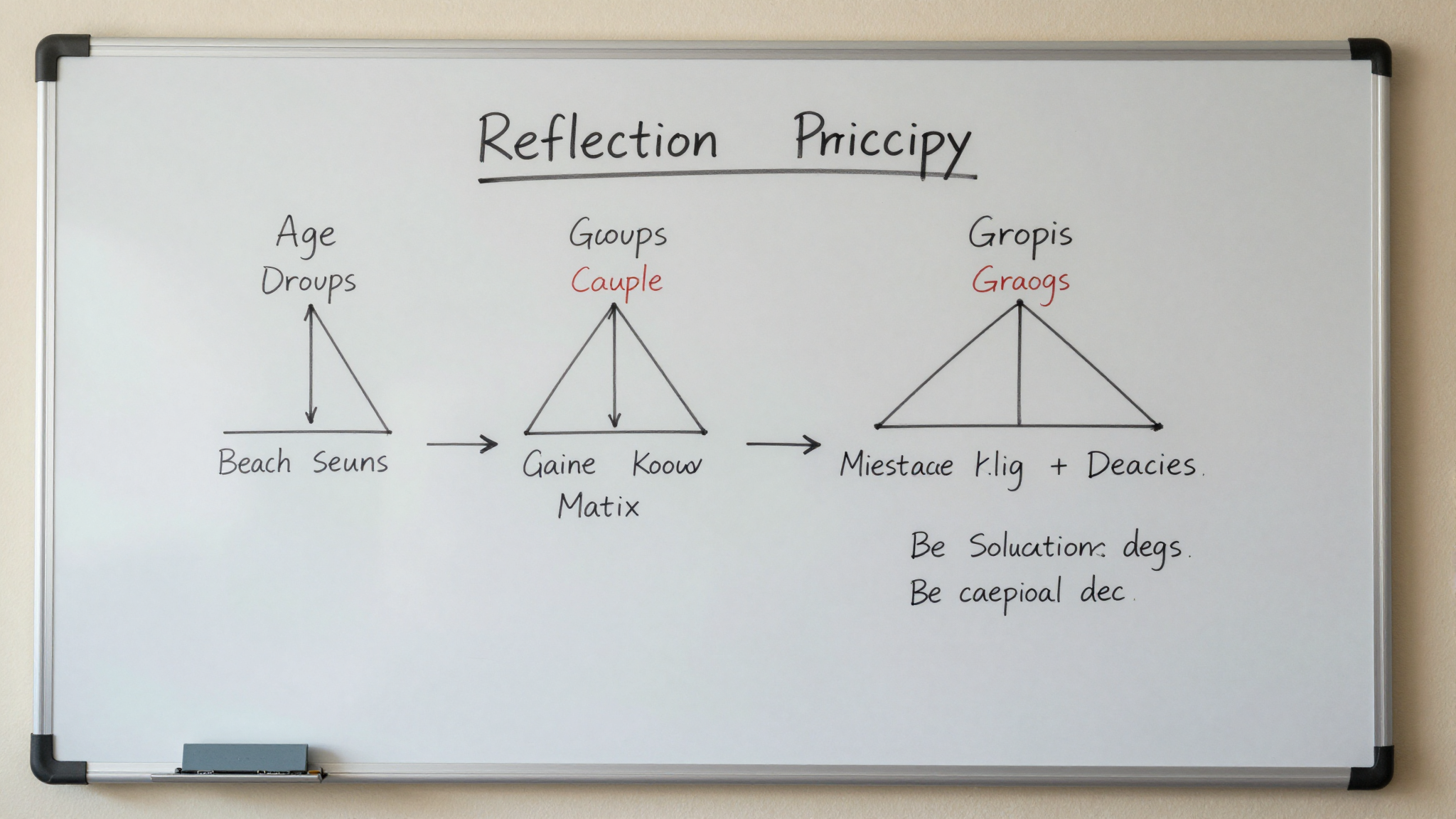
- Afspiegelingsbeginsel (Reflection Principle): When selecting which employees to dismiss within a function group, you must apply a legally prescribed selection method based on age groups. This prevents targeting specific employees
- Herplaatsingsplicht (Redeployment obligation): Before dismissing anyone, you must genuinely explore whether affected employees can be redeployed to other suitable positions within the organization, including with reasonable retraining
WMCO: Collective Redundancy Notification
If you plan to dismiss 20 or more employees within a 3-month period within one UWV region, the WMCO (Wet Melding Collectief Ontslag) applies:
- Notify UWV and unions: Before any individual dismissal procedures begin
- Mandatory 1-month waiting period: To allow consultation with unions about alternatives and social plan negotiations
- Works council advisory right: Under Article 25 WOR, the OR must provide formal advice on significant organizational changes. Proceeding without this advice (or ignoring it) gives the OR grounds to challenge the decision in court
Social Plans and Transition Payments
The financial aspects of Dutch restructuring are substantial:
- Transitievergoeding (Transition payment): Legally required for every dismissed employee. Calculated as ⅓ monthly salary per year of service, capped at €94,000 (2024) or one annual salary if higher
- Social plan: For larger restructurings, unions typically negotiate a social plan with enhanced severance, outplacement support, and extended notice periods. These can significantly exceed statutory minimums
- Outplacement: Offering professional career transition support is standard practice and viewed favorably by UWV and courts