Remote Work Rights in the Netherlands
Remote working (thuiswerken) has become deeply embedded in Dutch work culture, accelerated by the pandemic but now formalized in legislation. The Wet werken waar je wilt (Work Where You Want Act) strengthened employee rights to request remote working, and employers need robust policies to manage this effectively.
Under current Dutch law, employees of companies with 10+ workers can submit a formal request to change their place of work — including working from home. Employers must seriously consider these requests and can only refuse on reasonable business grounds. A blanket "no remote working" policy is increasingly difficult to defend.
Employer Obligations for Home Workers
When employees work from home, your duty of care (zorgplicht) doesn't stop at the office door:
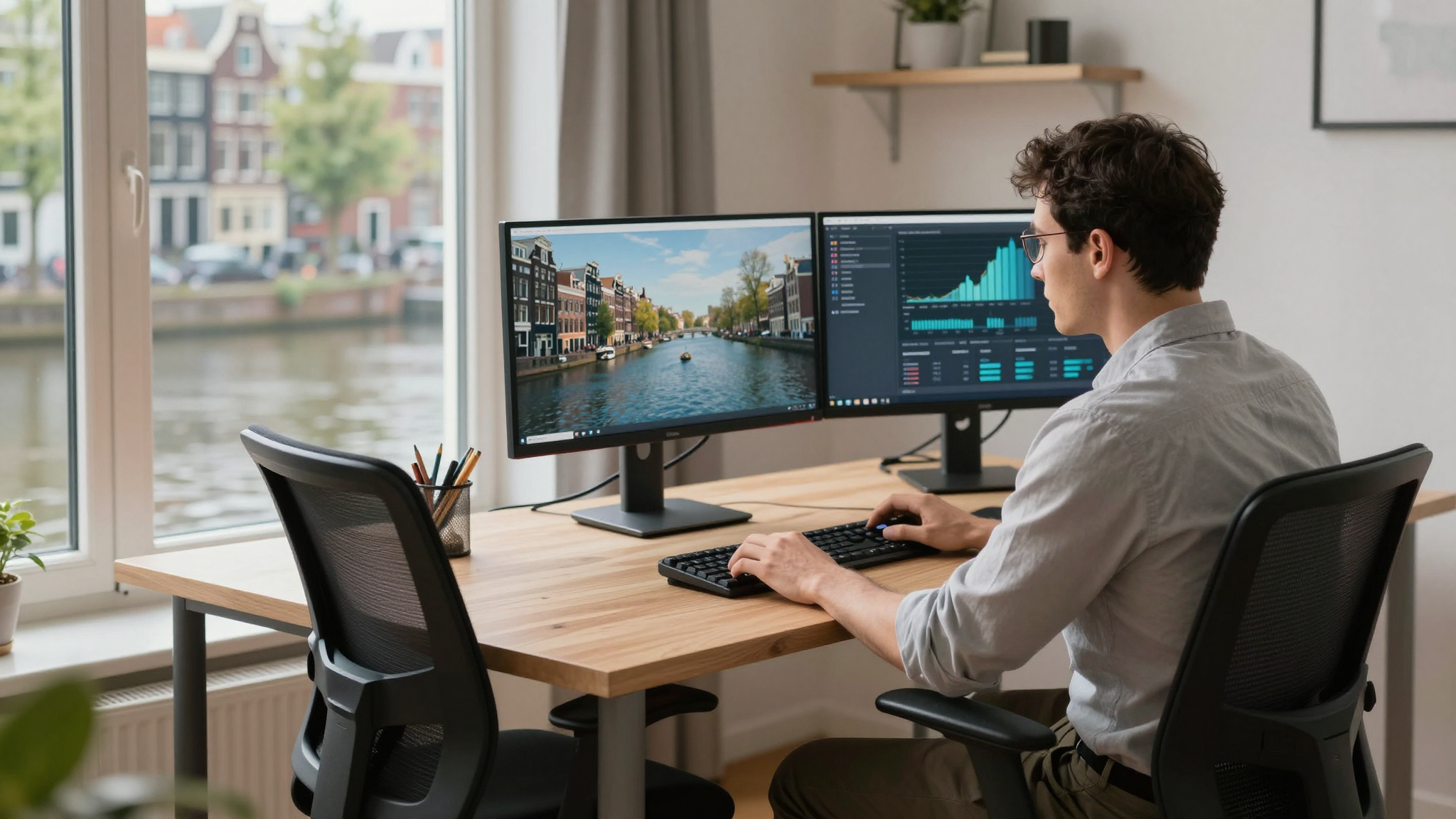
- Ergonomic workspace: Under the Arbeidsomstandighedenwet (Working Conditions Act), employers must ensure home workstations meet ergonomic standards. This typically means providing or subsidizing a proper desk, chair, and monitor
- Equipment and connectivity: Provide necessary work equipment (laptop, keyboard, headset) and consider contributing to internet costs
- Home working allowance: Many employers provide a tax-free allowance of up to €2.35 per home working day (2024 rate) for utilities and supplies
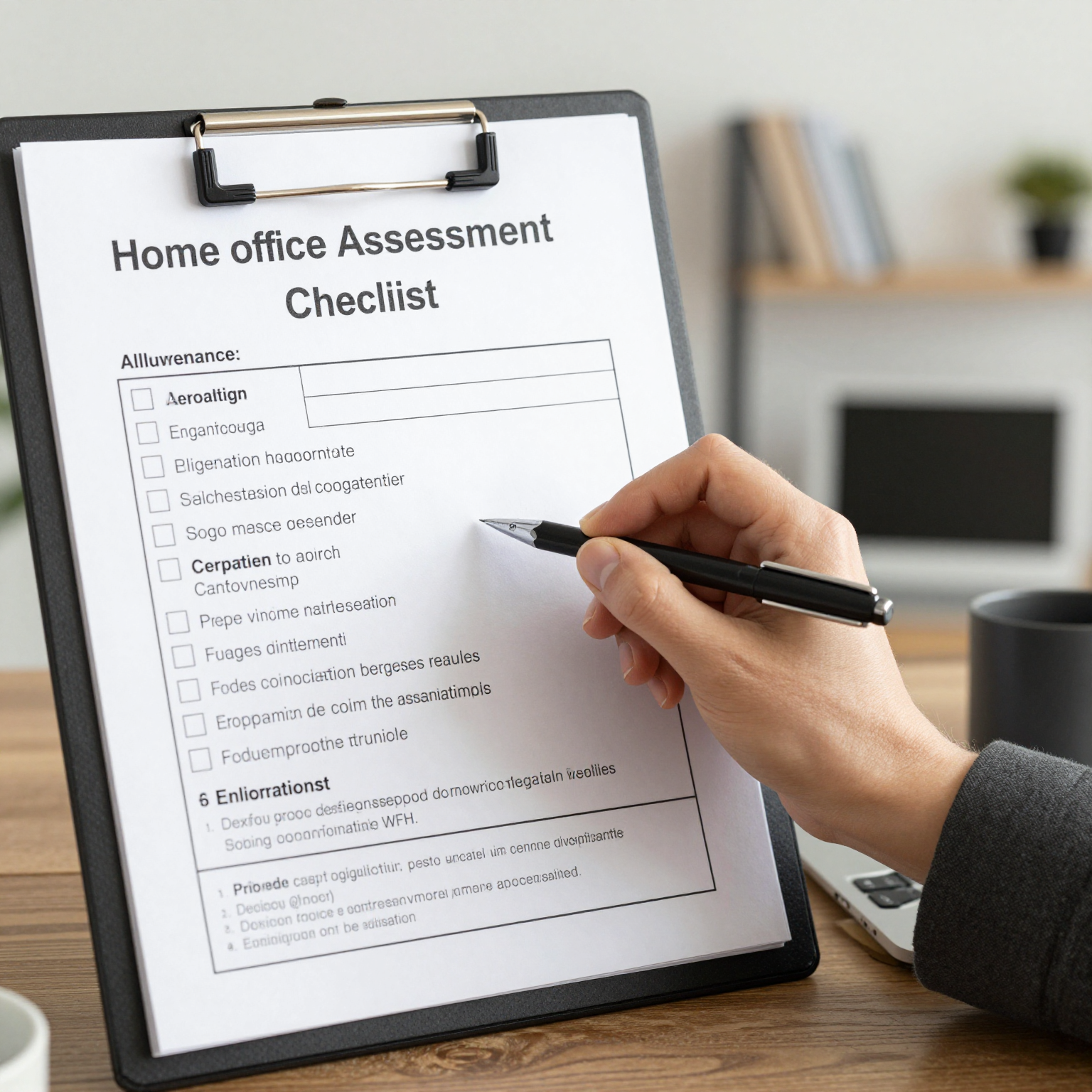
- Workplace assessment: Technically, you should assess the home workspace (or have the employee complete a self-assessment checklist). Document this for Arbeidsinspectie compliance
Managing Hybrid Teams Effectively
The practical challenge isn't legal compliance — it's making hybrid work actually work:
- Clear expectations: Define core office days (if any), availability hours, and communication norms. Ambiguity breeds frustration on both sides
- Equal treatment: Avoid creating a "two-tier" workforce where office-based employees receive more visibility and career opportunities
- Results-oriented management: Dutch work culture already favors output over presence. Reinforce this by measuring deliverables, not hours online
- Social connection: Schedule regular in-person team moments. Dutch employees value "gezelligheid" (conviviality) and team bonding
Cross-Border Remote Work Complications
For international companies, remote work introduces complex issues:
- Tax implications: Employees working from another country for extended periods may trigger a permanent establishment (vaste inrichting) or personal tax obligations in that country
- Social security: Under EU rules, employees working 25%+ of their time in their country of residence may shift social security obligations to that country
- 30% ruling risk: Excessive work outside the Netherlands can jeopardize an employee's 30% ruling eligibility
- Employment law: Extended work from another country may trigger that country's mandatory employment protections
We recommend capping international remote work at 10-15 days per year unless you've obtained specific tax and social security advice.