
Starting a Business in the Netherlands as a German Company
menu_book HR Settlers Guide

Starting a Business in the Netherlands as a German Company

Guide for German companies expanding across the border into the Dutch market

schedule 10 min read · arrow_back Part of HR Settlers
Starting a Business in the Netherlands as a German Company
schedule
Setup Timeline 2–4 weeks
eu
EU Advantage No visa required
apartment
Popular Choice Dutch B.V.
groups
Cross-Border A1 forms essential

Germany-Netherlands: A Natural Expansion

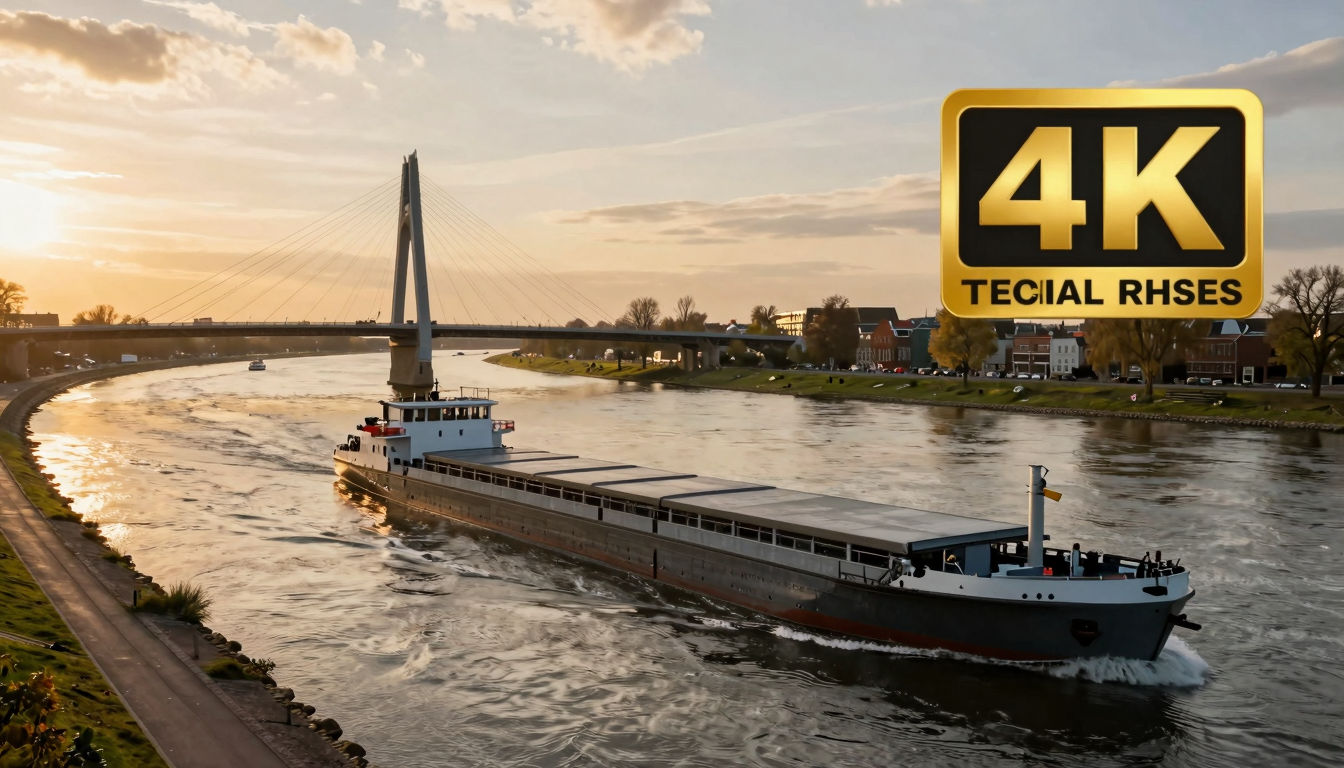
Germany is the Netherlands' largest trading partner, and the economic relationship between the two countries is deeply intertwined. Many German companies expand into the Netherlands for access to international talent, the English-speaking business environment, and the Amsterdam/Rotterdam startup and logistics ecosystems.

As EU member states, German companies benefit from freedom of establishment, meaning no work permits are needed for German nationals. However, significant differences in employment law, tax systems, and business culture require careful navigation.

Key Differences: German vs. Dutch Employment Law

  • Termination: While both countries have strong employee protections, the Dutch system (via UWV or Kantonrechter) differs significantly from the German Kündigungsschutzgesetz procedures.
  • Sick Leave: Dutch employers must pay 70–100% of salary during illness for up to 2 years — far longer than the German 6-week Entgeltfortzahlung obligation.
  • Works Councils: The Dutch threshold is 50 employees (vs. 5 in Germany for a Betriebsrat), but Dutch works council rights are substantial.
  • Holiday Entitlement: Dutch minimum is 20 days for full-time (similar to Germany), but vacation allowance (vakantiegeld) of 8% of annual salary is unique to the Netherlands.

Cross-Border Employment Considerations

German companies often start with cross-border commuters or temporarily seconded employees before establishing a full Dutch operation. Key considerations:

  • A1 Certificates: Essential for social security coordination. German employees working temporarily in the Netherlands must have an A1 certificate.
  • 25%/10% Rule: If a cross-border worker performs more than 25% of work outside their country of residence, social security shifts to the employer's country.
  • Tax Liability: After 183 days of work in the Netherlands within a 12-month period, Dutch income tax liability typically arises.

Setting Up the Dutch Entity

The process is straightforward for German companies given the EU framework. We handle the full incorporation, leveraging the strong network of German-speaking notaries in the Netherlands who can draft articles of incorporation familiar to German corporate structures.


How It Works

Step-by-Step Process

01

Cross-Border Analysis

We analyze your current German operations and design the optimal entry structure for the Netherlands.

02

Entity Incorporation

Dutch B.V. setup with German-speaking notary, KvK registration, and tax authority enrollment.

03

Employment & Social Security

Dutch contracts, A1 certificate management, and cross-border social security coordination.

04

Ongoing Bilateral Support

Continuous advisory on Dutch-German cross-border employment, tax, and compliance matters.

Starting a Business in the Netherlands as a German Company — key insight
Why It Matters

Key Insights for Your Business

trending_up
93% of companies report smoother operations with proper HR setup
shield
€25K+ average savings from avoiding common compliance penalties
schedule
4–6 weeks to fully operational with expert guidance vs. 3+ months DIY

"Having the right HR infrastructure in place from day one saved us months of fixing problems later. It's the foundation everything else builds on."

— HR Director, International Company in NL
Starting a Business in the Netherlands as a German Company — results
Important Considerations

What to Watch Out For

high

Sick Leave Duration Shock

Dutch employers pay 70–100% of salary for up to 2 years during illness — far beyond the German 6-week employer obligation.

medium

Social Security Coordination

Cross-border workers need A1 certificates. Getting social security allocation wrong can result in double contributions.

medium

CLA Applicability

Sector-specific CLAs may apply to your Dutch operations even if no equivalent Tarifvertrag exists in Germany.

Common Questions

Frequently Asked Questions

Do German employees need a work permit for the Netherlands?

No. As EU citizens, German nationals can work freely in the Netherlands without any work permit.

Which country pays social security for cross-border commuters?

Generally, social security is paid in the country where the employee works. For cross-border commuters working in both countries, the 25% threshold rule applies.

Can we initially second German employees to the Netherlands?

Yes, secondment is a common initial approach. Make sure to obtain A1 certificates and comply with Dutch notification requirements for posted workers.

Is the 30% ruling available for German employees?

Only if they were recruited from Germany and lived at least 150 km from the Dutch border for 16 of the prior 24 months. Most German employees living near the border will not qualify.

Need Help?

Ready to get started with HR Settlers?

Book a free 30-minute consultation. We'll assess your situation and propose a clear path forward — no commitment required.